If you’re asking, “where do I register my dog in Raleigh, North Carolina for my service dog or emotional support dog?” the most important thing to know is that the process is usually local and often revolves around rabies vaccination compliance and local animal control rules—not an official “service dog registration” or “ESA registration.”
This page explains where to start for a dog license in Raleigh, North Carolina (when applicable), who enforces animal rules, how rabies tags work, and what actually makes a dog a service dog (versus an emotional support animal). You’ll also see example official offices to contact for animal control dog license Raleigh questions and local enforcement guidance.
Where to Register or License Your Dog in Raleigh, North Carolina
Licensing and enforcement responsibilities can differ depending on whether you live inside Raleigh city limits or elsewhere in Wake County. The offices below are examples of official agencies commonly involved in animal control, rabies enforcement, and guidance on local pet rules. If you’re trying to figure out where to register a dog in Raleigh, North Carolina, start by calling the office that matches your location.
Raleigh Police Department (RPD) — Animal Control
Phone: 919-831-6311
Email: Miya.Hurley@raleighnc.gov
Notes: City of Raleigh Animal Control is part of the Raleigh Police Department and handles a wide range of animal control concerns within Raleigh. Contact them for city-limits enforcement questions and to confirm what documentation is accepted locally for compliance.
Address: Not listed on the official Animal Control contact section
Office hours: Not listed on the official Animal Control contact section
(Details above reflect only what is published in the City’s Animal Control contact section.)Wake County Animal Center (Wake County Government)
Street address: 820 Beacon Lake Dr
City/State/ZIP: Raleigh, NC 27610
Phone: 919-212-7387
Email: animalcontrol@wakegov.com
Office hours: Not confirmed via official government listing in provided sources
Notes: Even if Raleigh has its own animal control, county animal services are often a key resource for rabies and countywide animal services information, especially if you live near the border of Raleigh or have questions about Wake County rules.
Overview of Dog Licensing in Raleigh, North Carolina
Licensing vs. “Registration” (why the terms get confusing)
Many people search for “registration” when what they really need is (1) proof the dog is currently vaccinated for rabies, and (2) compliance with any local rules that may require a license or tag. In Wake County’s ordinance, a rabies inoculation tag is issued when the animal is vaccinated, and dogs are expected to wear the current tag attached to a collar, with limited exceptions (such as while hunting or at certain supervised events).
What typically counts as a “dog license in Raleigh, North Carolina”
In many communities, the “license” people refer to is effectively the local system that ties a dog’s ownership to compliance (especially rabies vaccination). In North Carolina, veterinarians who administer rabies vaccine issue a rabies vaccination tag, and state law requires dogs to wear rabies tags at all times. Locally, Wake County’s code also addresses rabies inoculation tags and proof of vaccination requirements.
Why local agencies matter
The most accurate answer to where to register a dog in Raleigh, North Carolina depends on local jurisdiction. Raleigh has its own animal control unit within the Raleigh Police Department, while Wake County Animal Center serves county functions and provides a central resource for many animal services questions. If you’re trying to avoid misinformation and third-party “registries,” stick with official city/county offices.
How Dog Licensing Works Locally in Raleigh, North Carolina
Step 1: Get (or confirm) a current rabies vaccination
A rabies vaccination is the foundation for lawful compliance in North Carolina. Under state law, when a rabies vaccine is administered, a rabies vaccination tag is issued to the owner, and the tag includes the year and identifying information. This is one reason people talk about “registration”—because the rabies tag is a visible, official indicator.
Step 2: Keep the rabies tag on your dog’s collar
North Carolina law requires dogs to wear rabies vaccination tags at all times. Wake County’s ordinance similarly requires dog owners to provide a collar with the current tag securely attached, and to have the collar and tag worn at all times with limited exceptions (for example, certain sanctioned events).
Step 3: Be ready to show proof of vaccination if asked
Wake County’s code states it is unlawful to fail to provide written proof that the animal has a current rabies inoculation when the Animal Control Section demands written proof. Practically, this means keeping your rabies certificate or veterinary record accessible (paper or digital), especially if your dog is picked up, involved in a bite incident, or you need to reclaim your pet.
Step 4: Contact the right office for local rules, enforcement, and any local licensing program
If you need an “animal control dog license Raleigh” answer for your exact situation—moving into Raleigh, changing addresses, adopting a dog, or clarifying whether the city issues a separate license—call Raleigh Police Animal Control first for city-limits questions, and use the Wake County Animal Center as an additional official resource for county-level guidance and services.
Service Dog Laws in Raleigh, North Carolina
A service dog is not “licensed” by a registry
A service dog is generally defined by function: the dog is trained to do work or perform tasks for a person with a disability. There is no single government office where you must “register” a service dog to make it legitimate. Many paid online registries are marketing tools and are not required for public access rights.
A dog license (local compliance) is separate from service dog status
Even if your dog is a trained service dog, you still generally must follow public health and safety rules that apply to all dogs—especially rabies vaccination and tag requirements. In other words, service dog status does not replace local compliance steps like maintaining rabies vaccination and being able to show proof if requested by animal control.
What to do if you’re asked for “papers”
If a landlord, airline, business, or event asks for documentation, the correct response depends on the situation (housing, employment, public access, travel). However, for local animal-control and public-health purposes, the documentation you should always be ready to provide is rabies vaccination proof and identifying information—regardless of whether the dog is a pet or a service dog.
Emotional Support Animal Rules in Raleigh, North Carolina
ESAs are not the same as service dogs
An emotional support animal (ESA) provides comfort by presence, but an ESA is not the same as a task-trained service dog. ESAs generally do not have the same public access rights as service dogs in places like restaurants or stores.
“ESA registration” is usually not an official government process
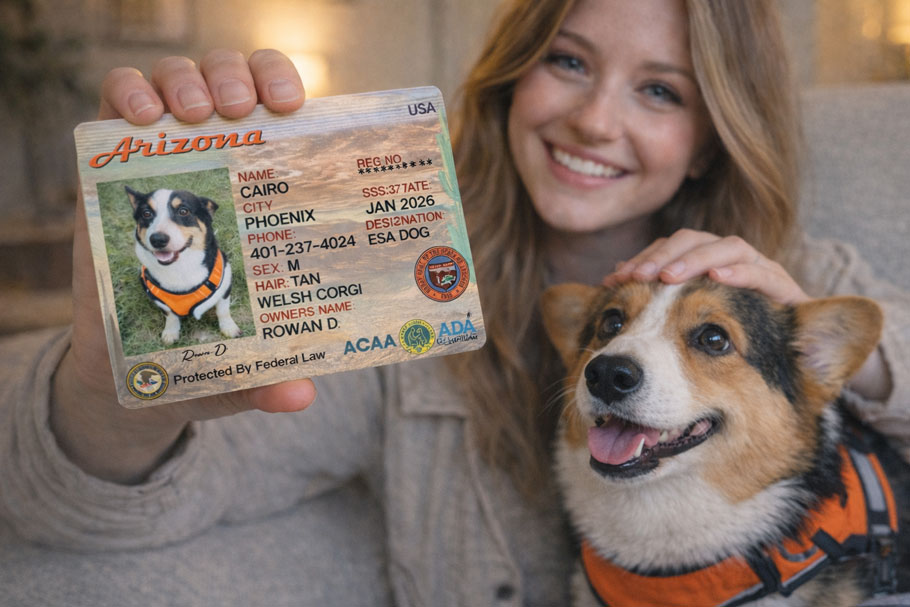
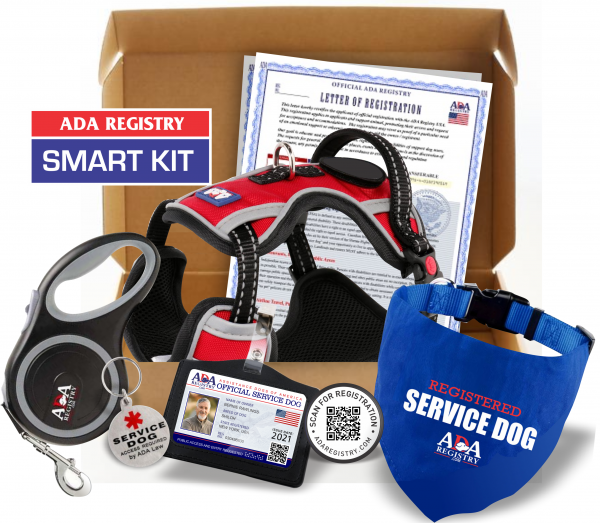
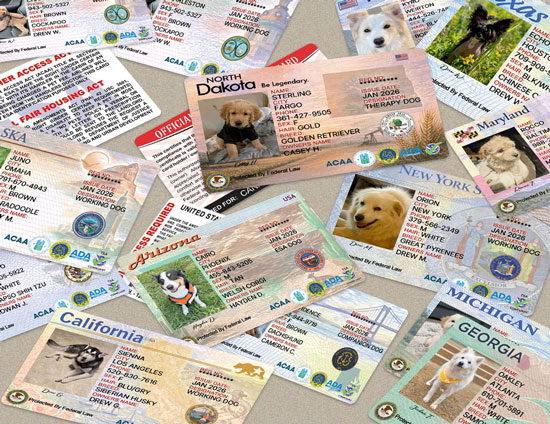
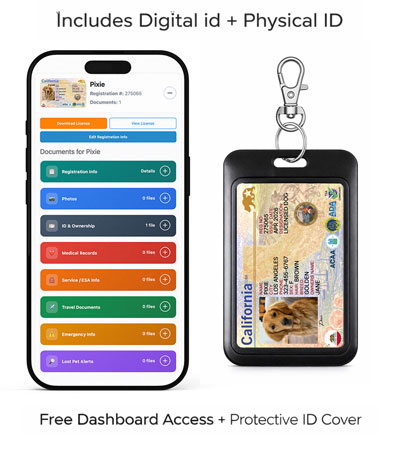
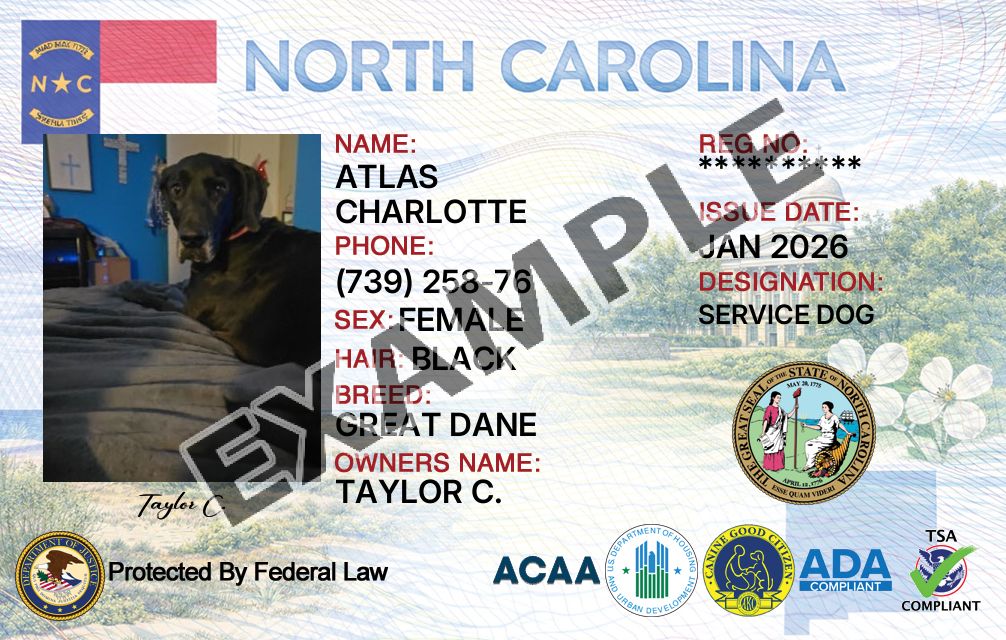
If you’re searching where to register your dog in Raleigh, North Carolina for an emotional support dog, be cautious: many websites sell certificates, ID cards, and vests, but these are not typically required by law and are not a substitute for meeting local animal health requirements. From an animal control standpoint, the essentials remain rabies vaccination, tags, and compliance with local ordinances.
Housing situations can be different (but local compliance still applies)
ESA-related accommodations often come up in housing contexts. Even when an accommodation is appropriate, it does not remove the need to comply with local rules such as rabies vaccination requirements and being able to provide proof to animal control when requested.
Frequently Asked Questions
Typically, no. Service dog status is not created by paying for registration or getting a special license. What you do need to keep current is your dog’s rabies vaccination and tag, and you should follow local animal control rules that apply to all dogs.
In North Carolina, when a rabies vaccine is administered, a rabies vaccination tag is issued, and dogs must wear rabies vaccination tags at all times under state law. Wake County’s code also addresses rabies inoculation tags and requires owners to provide written proof of current rabies inoculation when demanded by animal control.
For everyday readiness, keep (1) the rabies tag on the collar, and (2) the rabies certificate/vet record accessible.
Start by confirming whether your address is inside Raleigh city limits. Then call Raleigh Police Animal Control for city enforcement guidance. If you’re outside city limits or need county-level direction, contact the Wake County Animal Center.
The practical first step is always the same: confirm a current rabies vaccination, make sure the rabies tag is on the collar, and keep proof available.
Not exactly, but people often use the terms interchangeably. A rabies tag is tied to vaccination and public health requirements, while a “license” can refer to a local program or requirement administered at the city or county level. Because enforcement is local, the best way to clarify what Raleigh requires is to ask Raleigh Police Animal Control directly.
Wake County’s code states owners must provide written proof that the animal has a current rabies inoculation when the Animal Control Section demands written proof. Keep your rabies certificate (or vet-provided record) available so you can respond quickly.